



Process
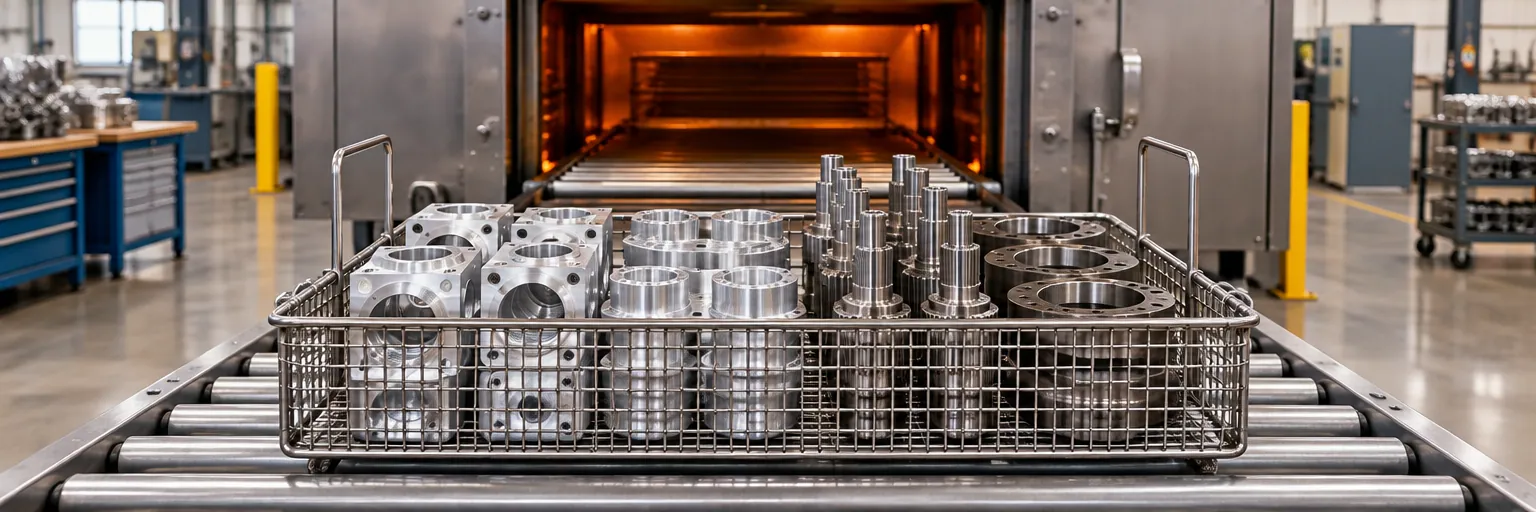
Solution treatment and aging: design guide for precipitation hardening
Learn how solution treatment and aging works, which alloys use it, how to call out tempers on drawings, and how to avoid distortion and over-aging.
Design guides
Plain-language guides to the processes, materials and standards behind the parts you design: how the work is done, the design rules worth knowing before you send a drawing, and answers to the questions engineers ask. Every guide links its sources and the U.S. shops that do the work.
21 guides
Process
Learn how solution treatment and aging works, which alloys use it, how to call out tempers on drawings, and how to avoid distortion and over-aging.
Process
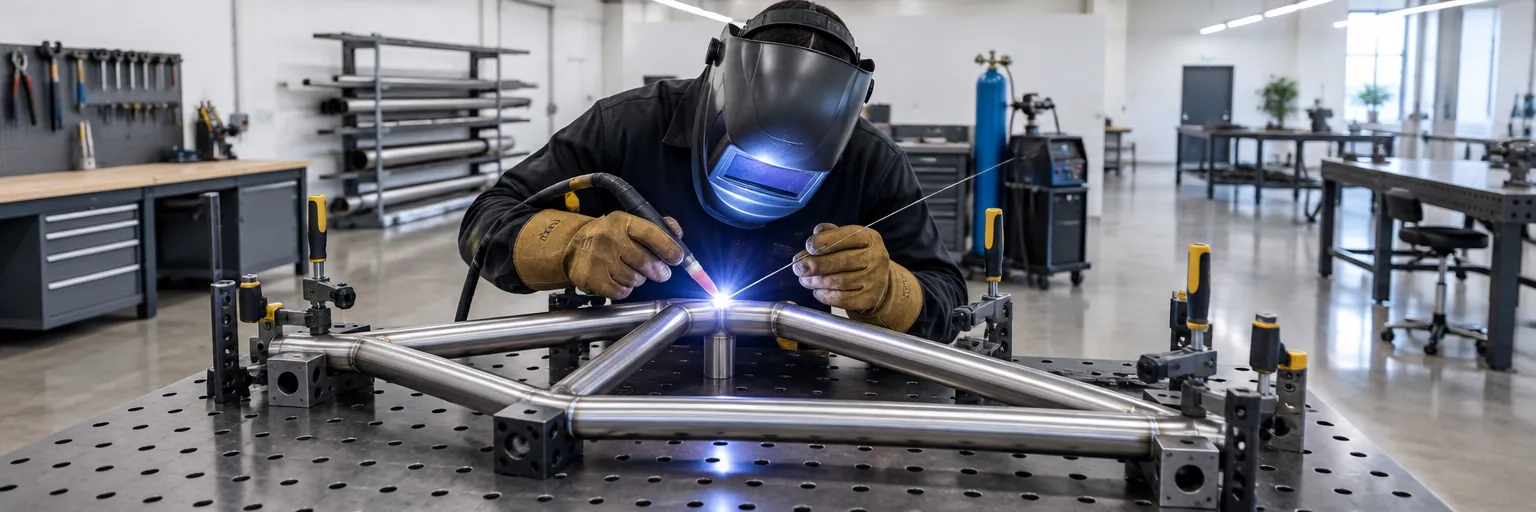
Learn when to specify gas tungsten arc welding (TIG), which metals work best, how to design accessible joints, and what defects to avoid.
Process
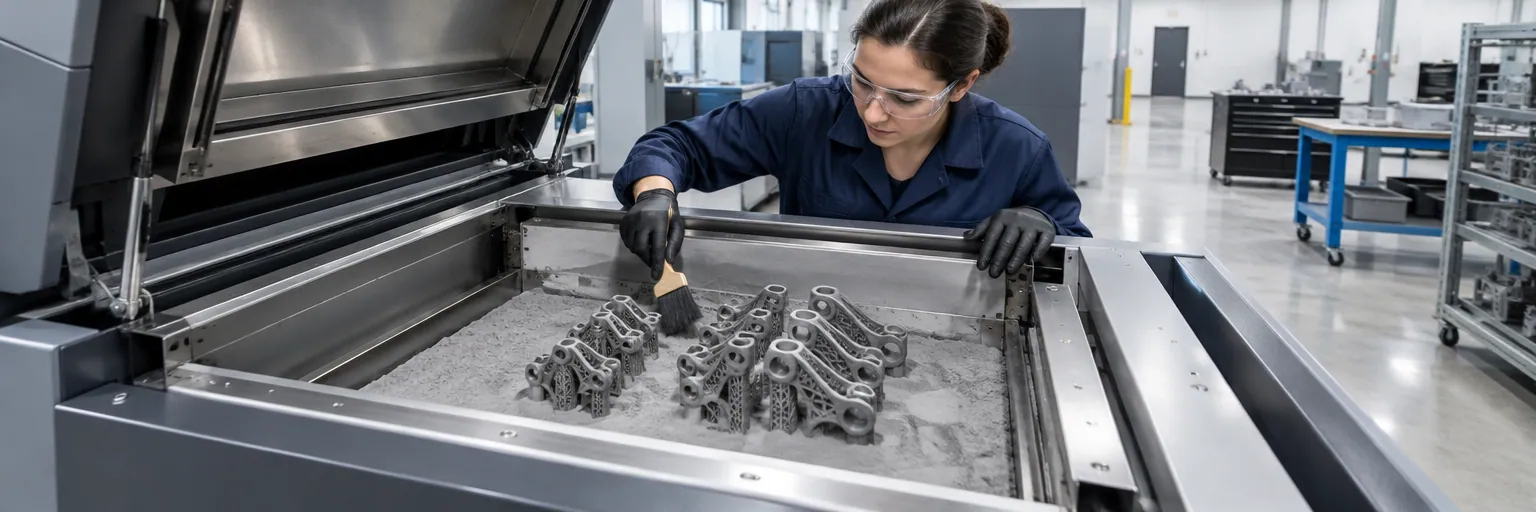
Learn how metal binder jetting works, when to use it, and how to design parts for green-state handling and furnace sintering.
Process
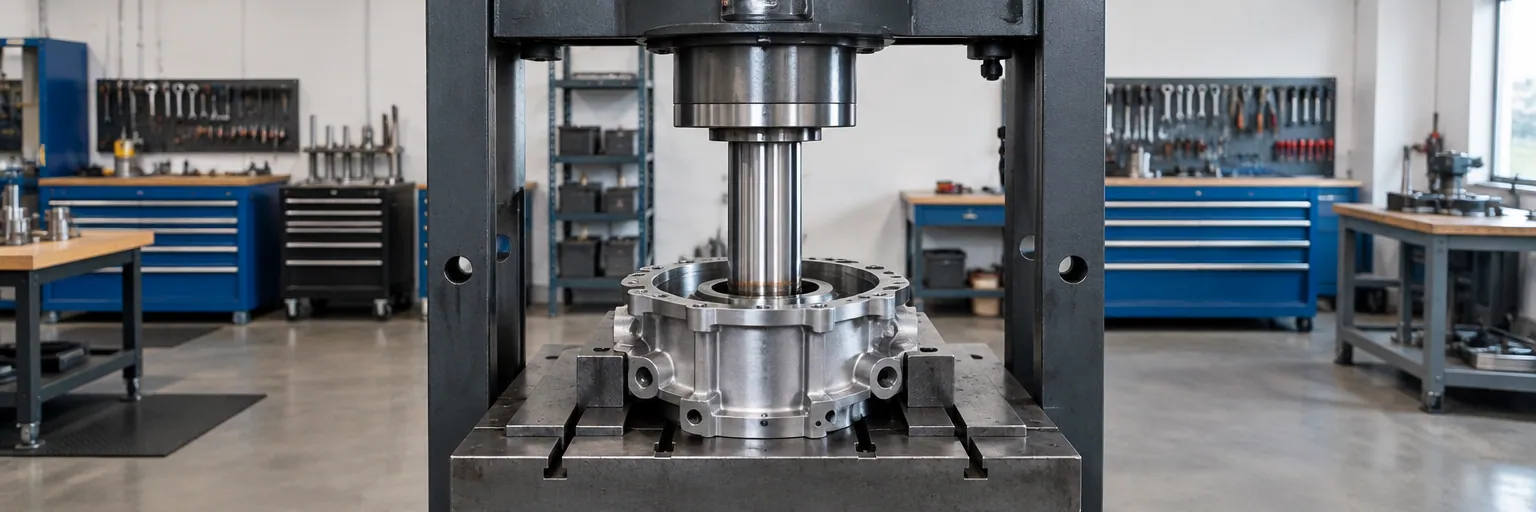
How to design press-fit and shrink-fit joints, select interference grades, specify standard tolerance classes, and prevent galling or cracking.
Process
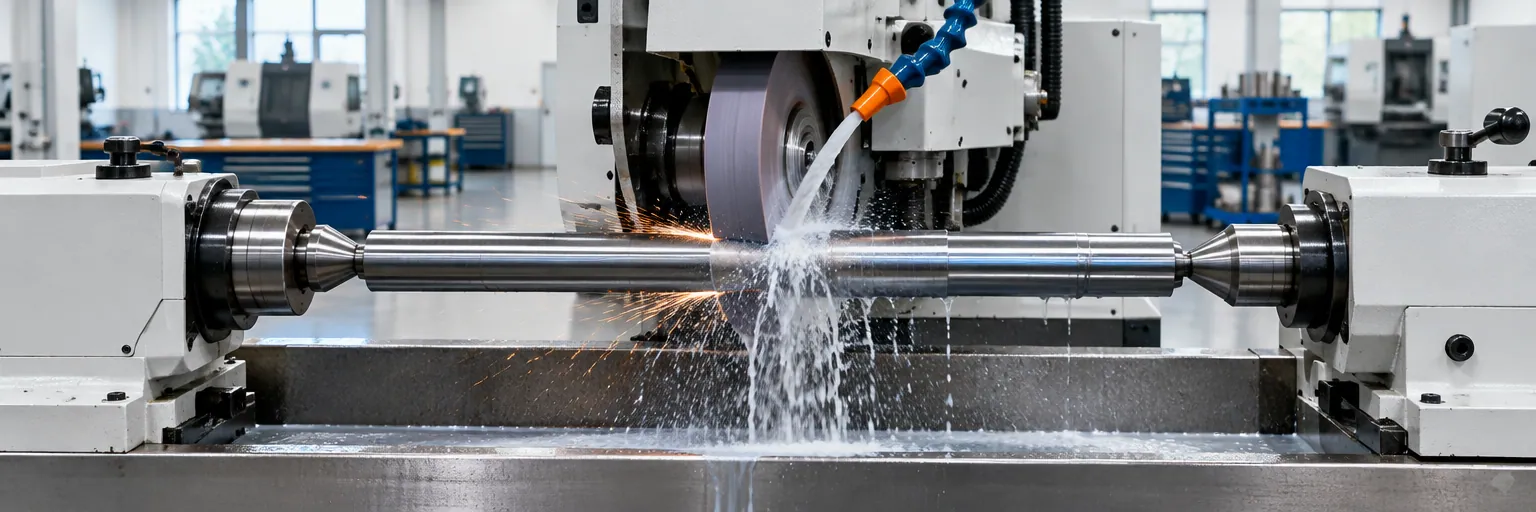
Learn when to specify grinding, how much stock to leave, how to design features for wheel clearance, and how to prevent heat damage.
Process
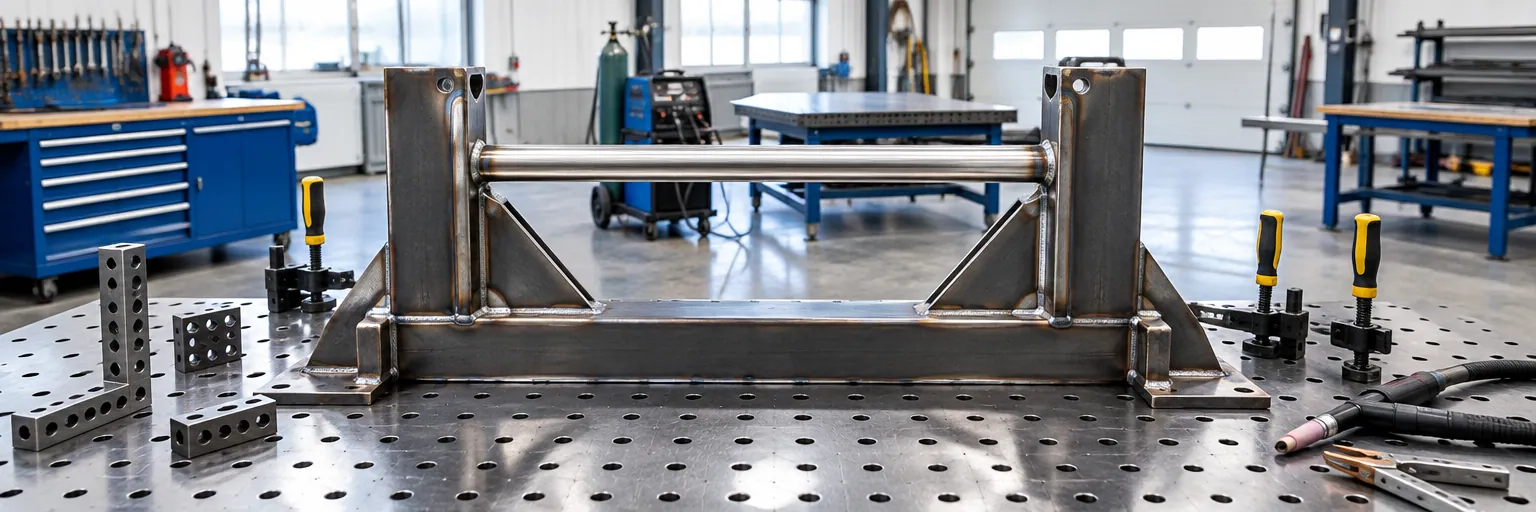
Learn how to design welded assemblies, choose weldable materials, size fillet welds, and call out welding symbols and inspections on drawings.
Process
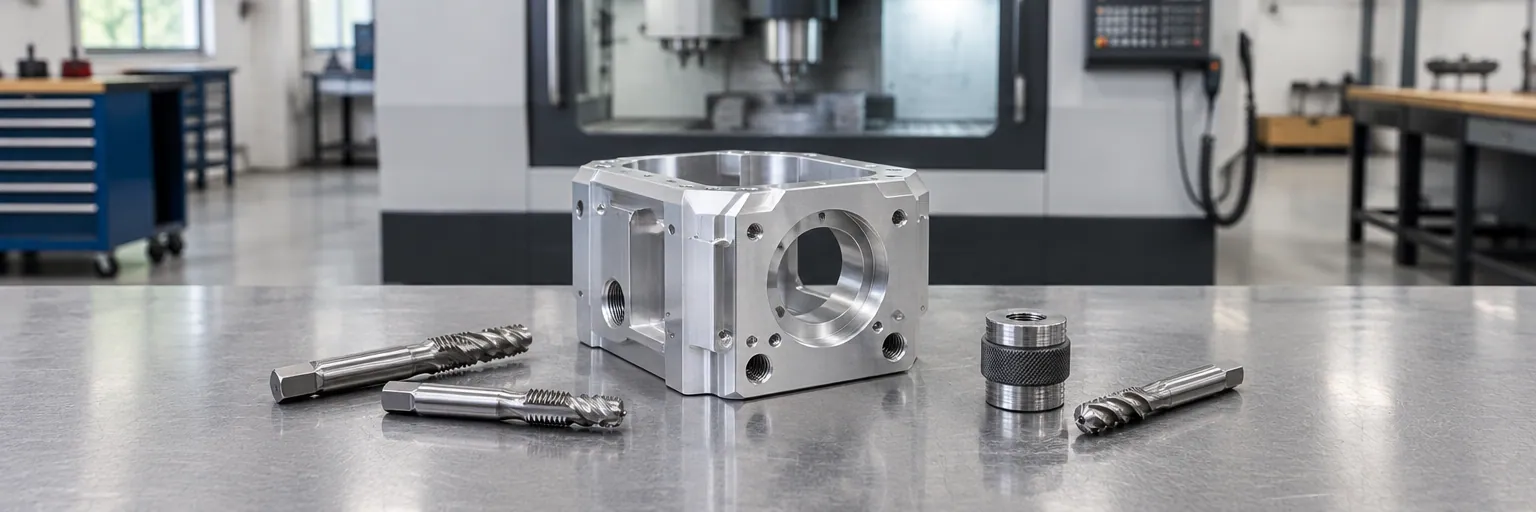
Learn how to design tapped holes for machining, choose between cutting and forming taps, size pilot holes, and avoid broken taps in blind holes.
Process
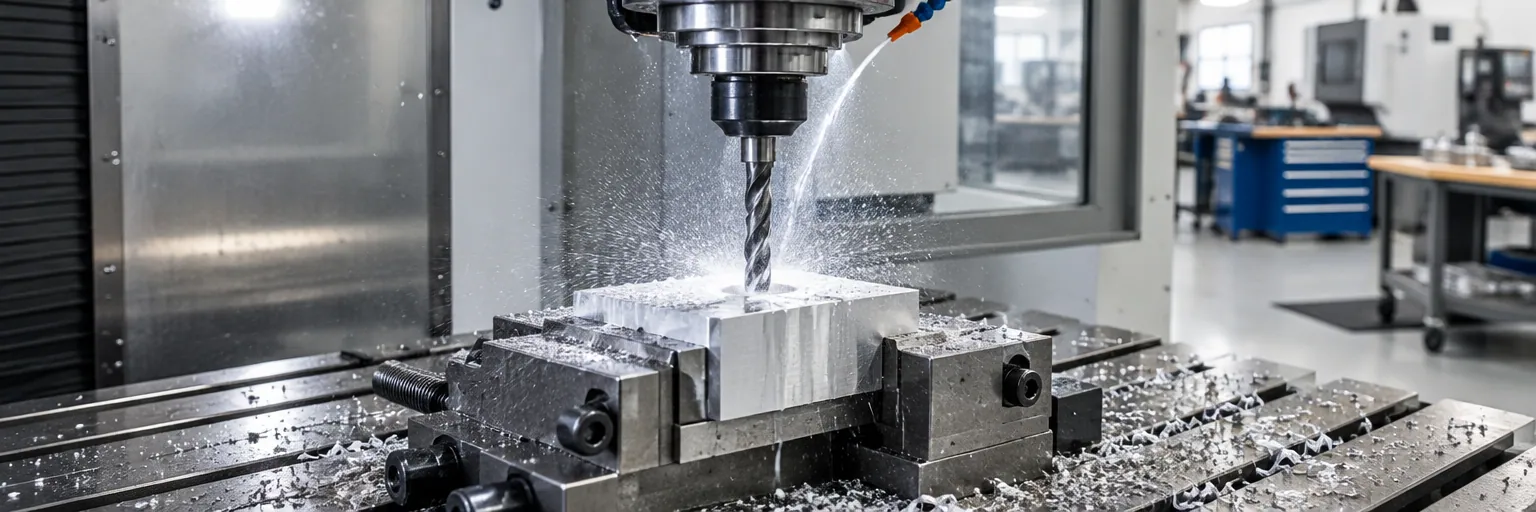
Learn how to design drilled holes for machining, including standard diameters, depth-to-diameter limits, surface finish, and when to ream or bore.
Process
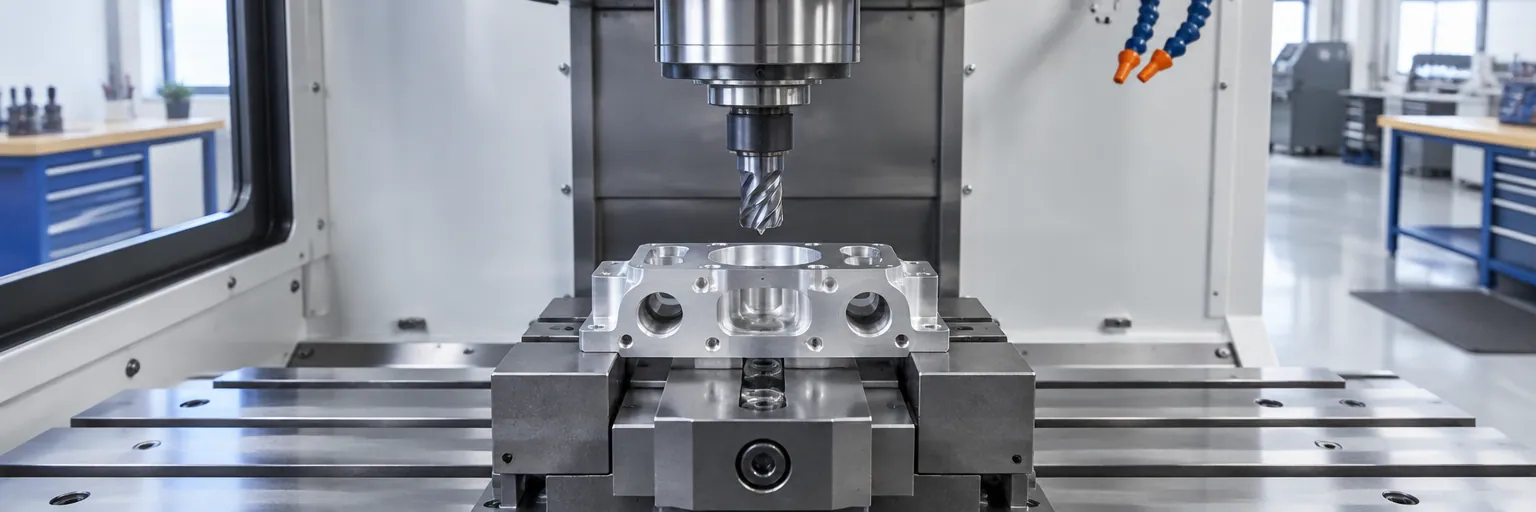
Learn how milling works, when to choose it, and how to size corners, walls, threads, slots and keyways so machine shops can build your part.

Process
Learn when to use sawing, how to account for machining stock and minimum band saw radii, and what tolerances and finishes to expect from a shop.
Process
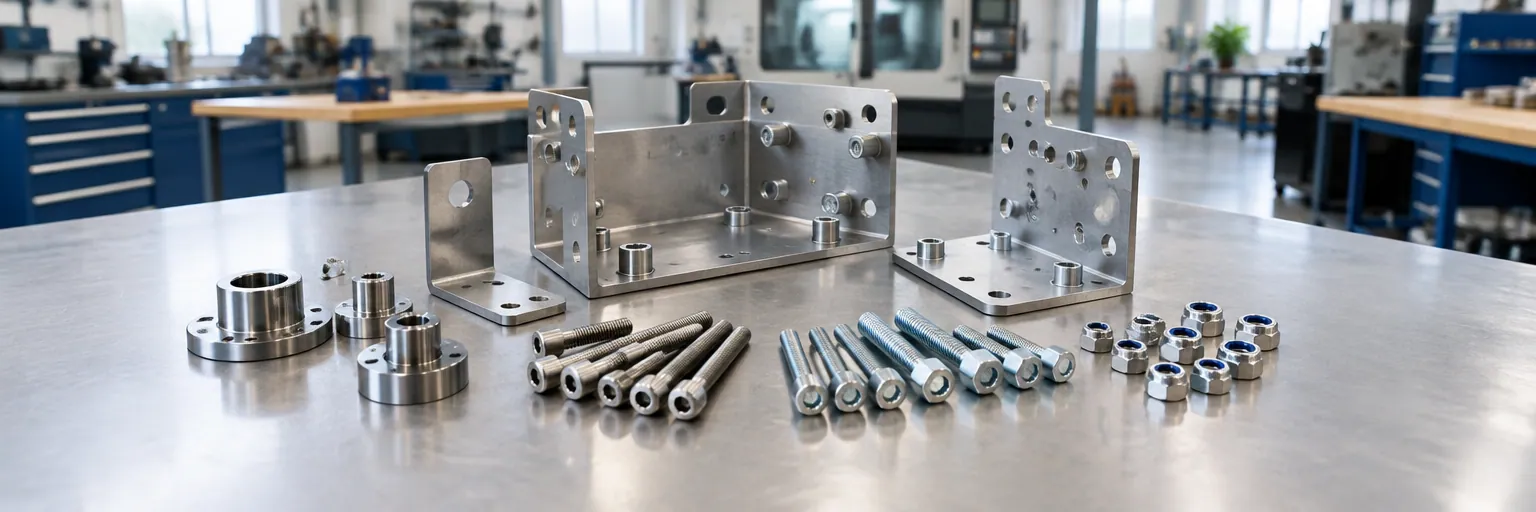
Learn when to use threaded fasteners, how to design bolted joints, tapped holes, and sheet metal or plastic inserts, and what mistakes to avoid.
Standard
Learn how ISO 2768 general tolerances work, how the चार classes scale with part size, how to call them out, and when to tolerance features individually.
Comparison
Compare 6061-T6 and 7075-T6 aluminum across strength, stiffness, machinability, weldability and corrosion resistance to pick the right alloy for machined parts.
Comparison
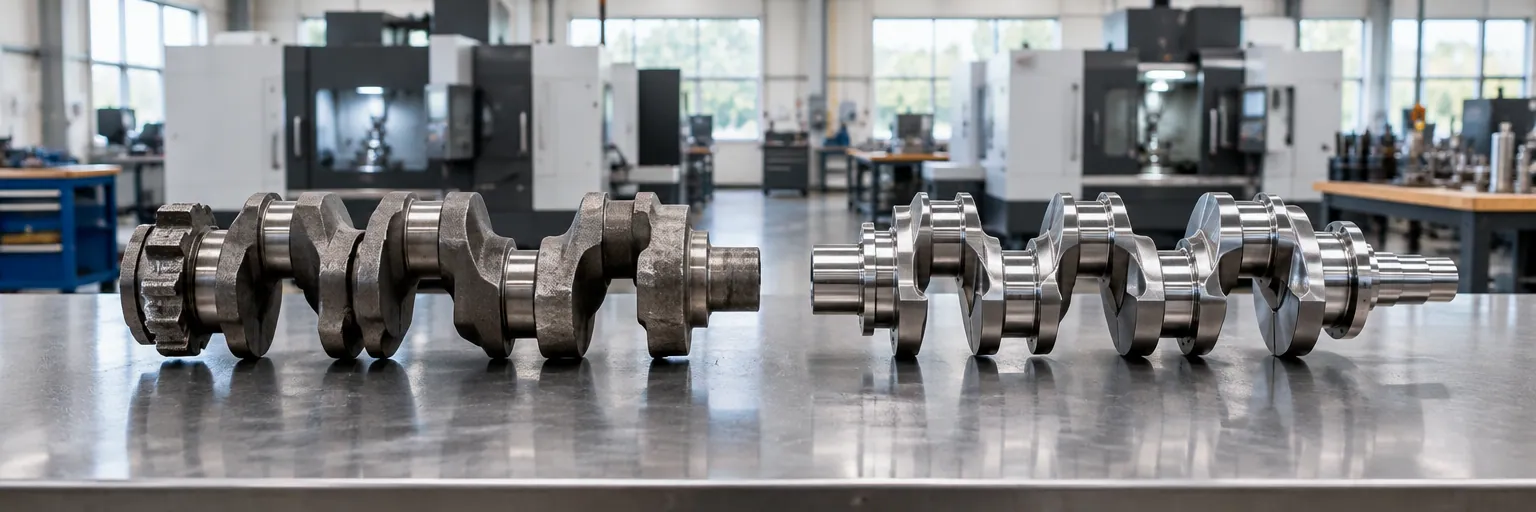
Compare forged and CNC-machined parts across grain flow, strength, volume, tolerances and design rules, plus how to combine both processes.
Process
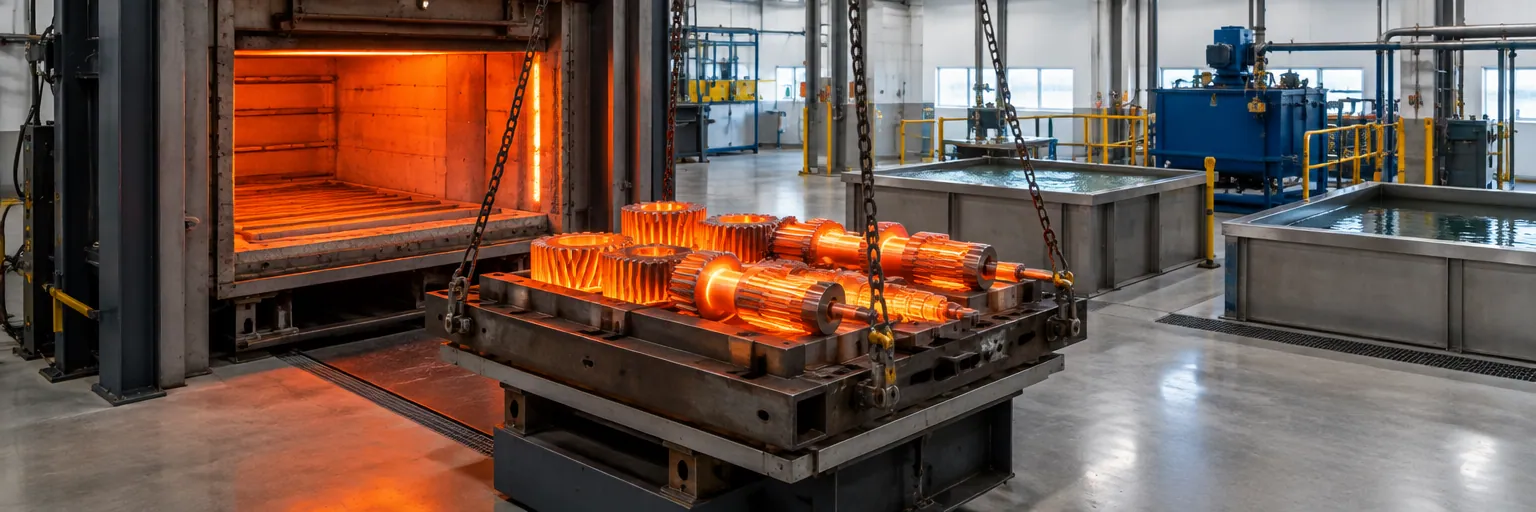
Learn how annealing, quenching and tempering, case hardening, and nitriding change steel properties, plus how to design parts and call out treatments.
Process
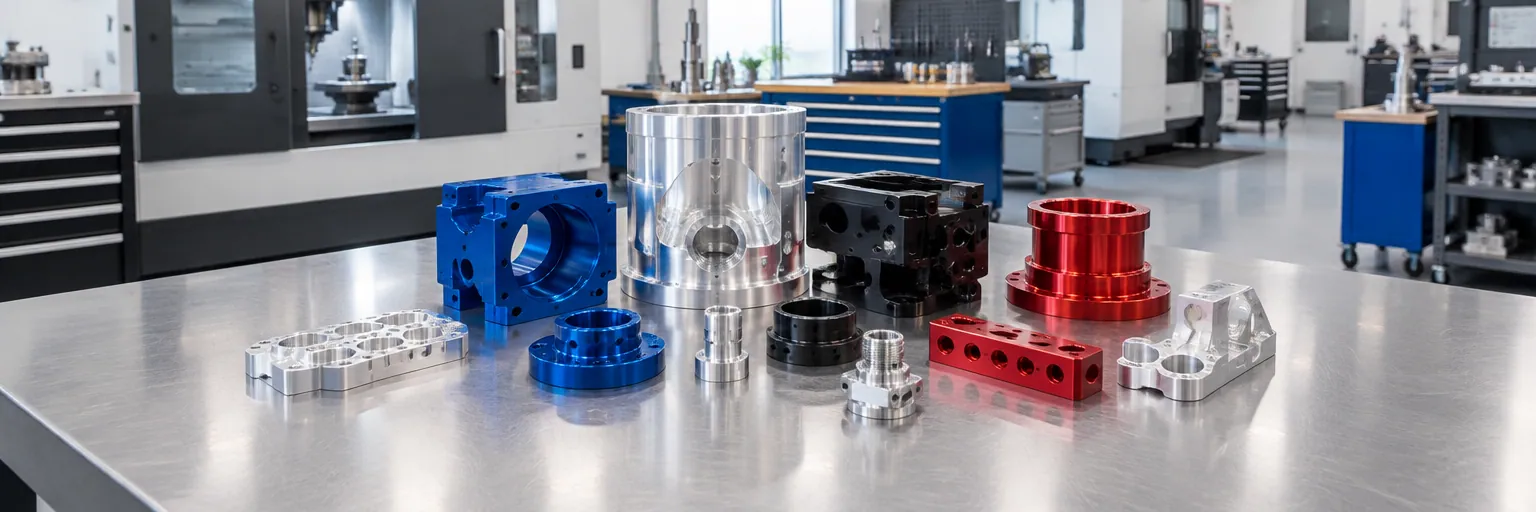
Learn how anodizing changes aluminum dimensions, which MIL-A-8625 types and classes to choose, and how to specify the finish on engineering drawings.
Comparison
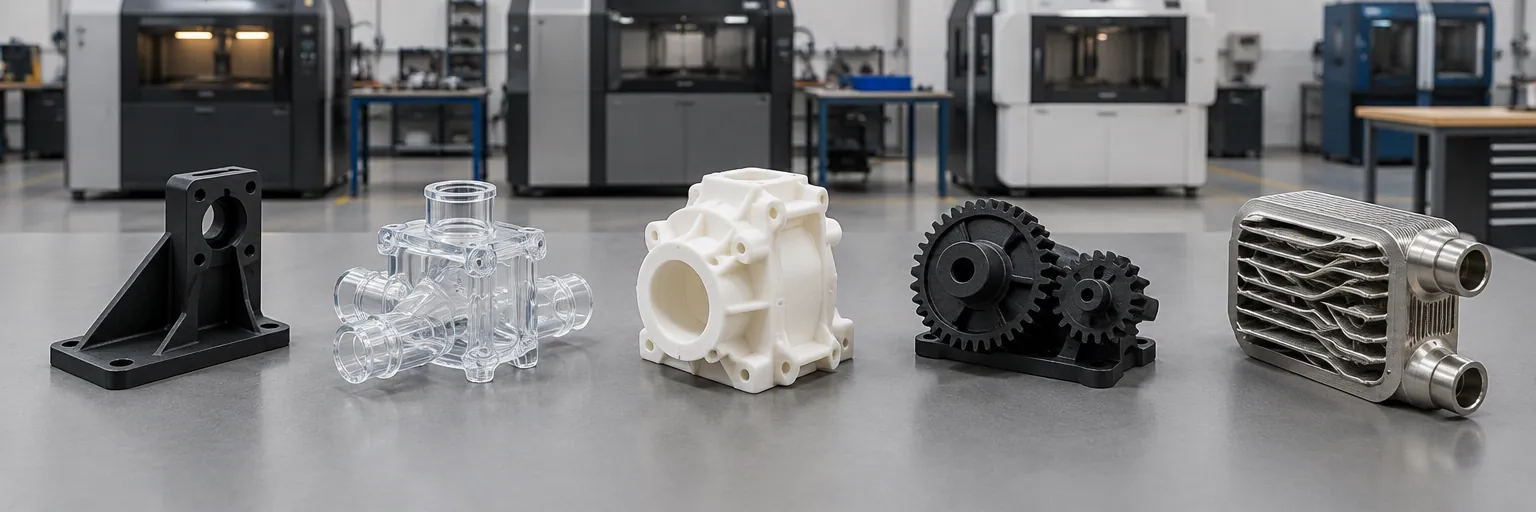
Compare FDM, SLA, SLS, MJF, and metal powder bed fusion across materials, tolerances, surface finish, strength, and cost to pick the right 3D printing process.
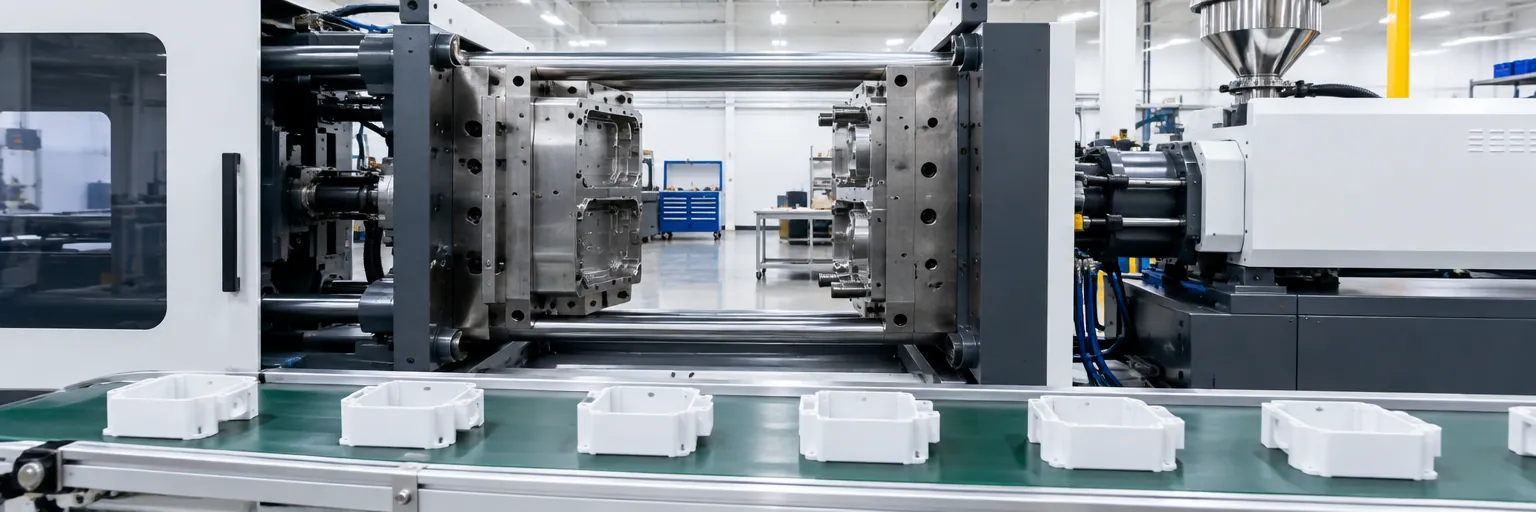
Process
Design rules for injection molded plastic parts: wall thickness, draft angles, ribs, bosses, corners, undercuts, threads and tooling cost drivers.
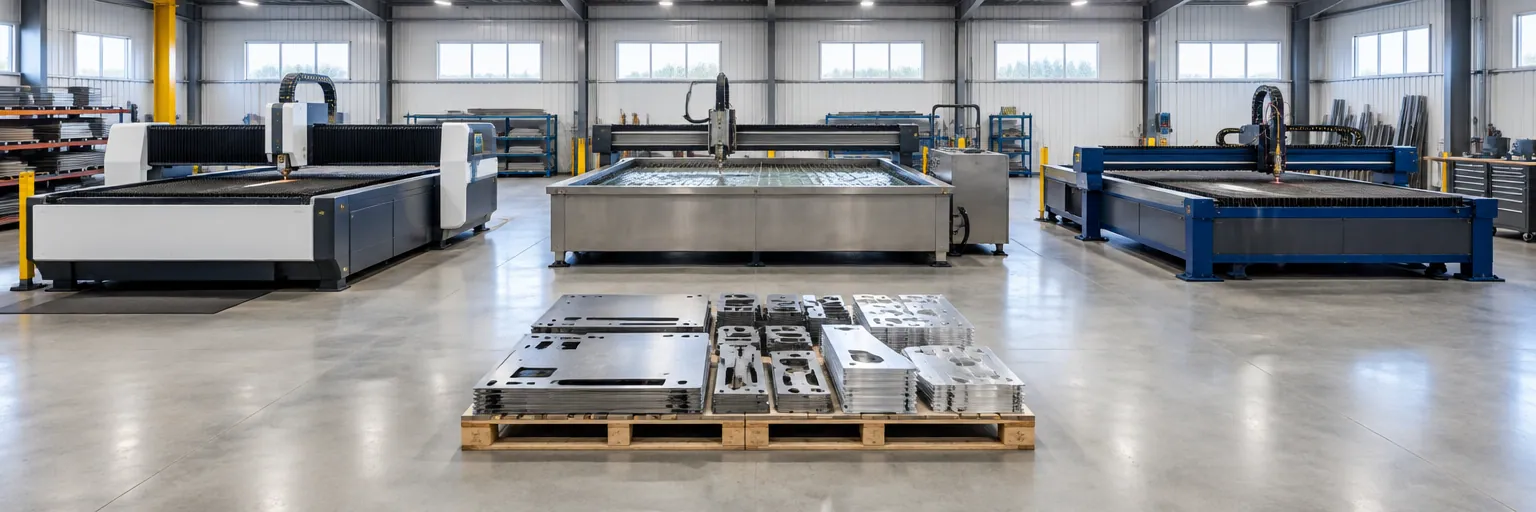
Comparison
Compare laser, waterjet, and plasma cutting by material, thickness, tolerance, edge quality, and heat effects to pick the right process for your part.
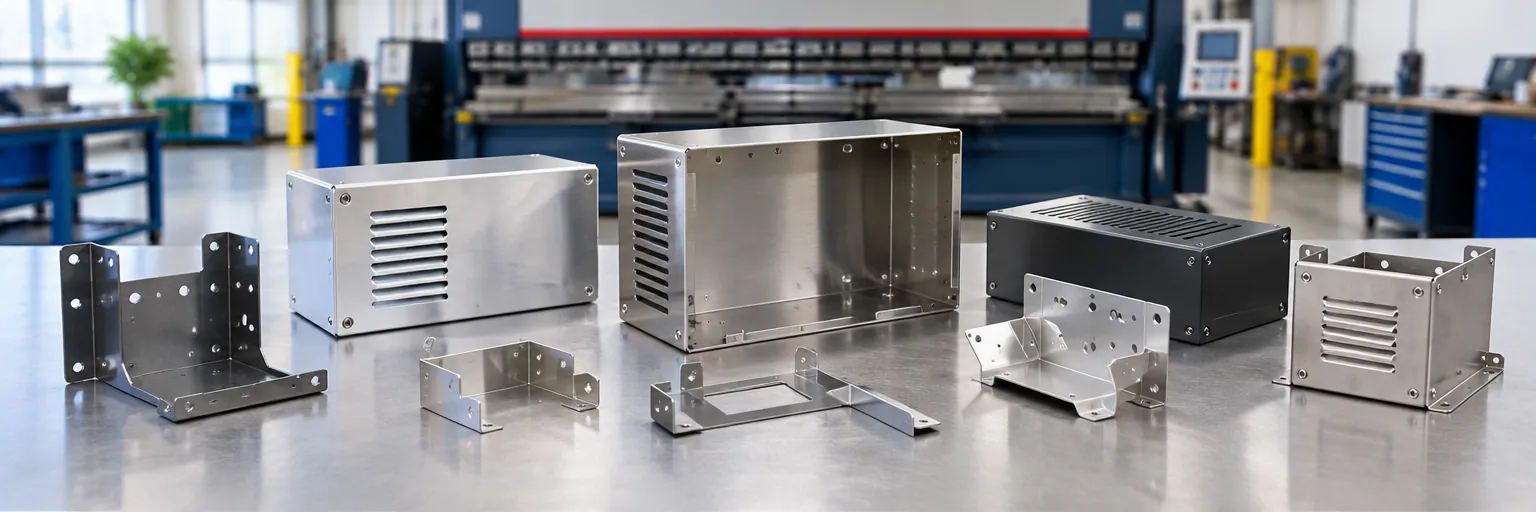
Process
Design sheet metal parts shops can build. Learn rules for bend radius, flange height, hole spacing, bend relief, clinch hardware and tolerances.
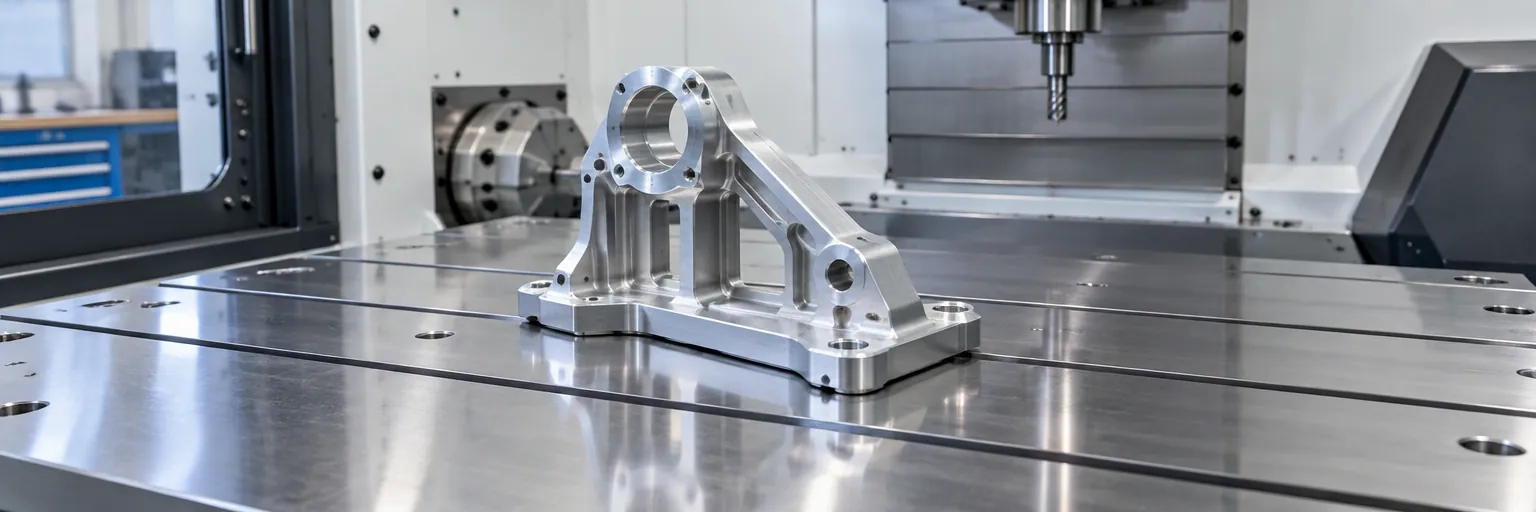
Process
Learn when to use CNC milling and turning, with practical design rules for pockets, corners, walls, holes, threads, tolerances, and surface finish.